Welcome to dgconstructionsw

Construction in the UK
Construction management, planning and on-site expertise — practical guides on lifting equipment, racking, hoists and the kit that keeps British industry moving.
Equipment
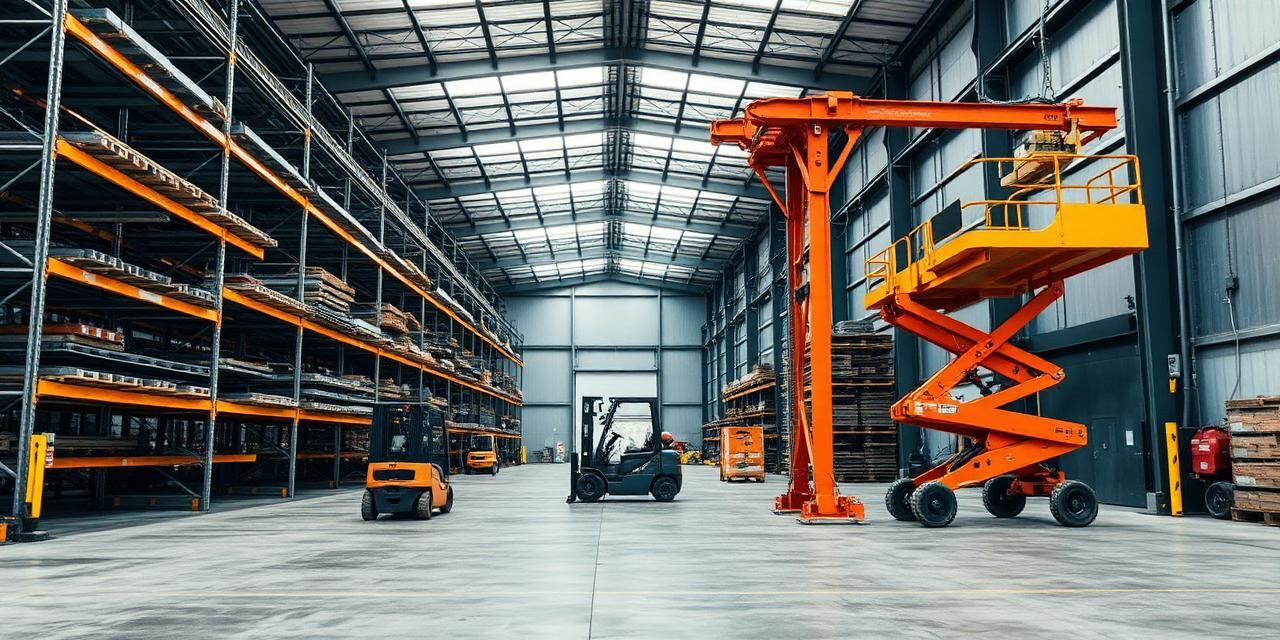
Guides to the lifting, racking and access equipment that keeps UK sites and warehouses moving.
About Construction in the UK
Construction in the UK is a long-running blog covering construction management, planning and the hands-on expertise behind successful sites. Expect practical write-ups on lifting equipment, racking, hoists, scaffolding and the kit British builders rely on every day.
SUN ROOM CONSTRUCTIONS
A sun room is any room which is designed to be warmed passively by sunlight. They are commonly attached to homes and restaurants as a place to enjoy the nice weather and usually contain a few potted plants, hence another name they go by; the winter garden.
Conservatory roof conversions
Conservatory roof conversions are a popular way to get the conservatory roofing you want without having to replace your current conservatory. It’s a cost-effective option, allowing you to upgrade your home extension and make the most of it, without paying out too much. A conversion will generally take your conservatory roof from being glass, to being solar glass or tiles. This will make it more efficient and will help regulate the temperature in your conservatory – there will be no more sitting in scorching, direct sunlight in the summer. You can still enjoy plenty of light and have beautiful views of the garden, but your new roof will provide a much more convenient way to enjoy your conservatory.
Industrial door systems
Doors need to be adapted to their environment, especially in an industrial setting. Industrial door systems are strong, hardy and resilient, giving all the protection needed against break ins, and regulating access in an operational sense. They should offer high speed options where needed, as well as solving technological problems where required.
Hydraulic Toe Jacks
10,000kg capacities can easily be achieved with toe jacks, or claw jacks, and different types are available; industrial, adjustable, rotational and machinery toe jacks are all common. Jacks have differing capacities and can have special features, such as low entry heights to make loading easier. Overall, toe jacks are there to improve safety.
Electric Chain Hoist
An electric chain hoist is a powerful and efficient lifting tool used in many industries and construction projects. These are operated automatically in that use an electric motor thus enabling easy lifting of heavy loads by just a push of a button rather than manual operation. Being an electric type of lift, the electric motor is used to drive a gearbox which in return shifts a chain to either lift or lower the load. These hoists often have variable speed control meaning loads can be positioned with a high degree of accuracy and most common features like overload protection and emergency ‘dead man’ switches. An electric chain hoist is manufactured in various classes of capacity from a few hundred pounds to several tons and are therefore suitable for many purposes. It can be wheeled or rolled on trolleys to enable it be transported horizontally on I-beams or anchored for lifting activities to be done on it. Some of the specific applications of electric chain hoists include production line work in industries, warehousing, ships and other industries where constant and dependable lifting of loads is needed.
Winch Rope
A winch rope is generally used to complete the wire rope winching process – and is the choice for situations that require winching. An example of where a winch rope is commonly used is via a tow truck where the ropes need to be strong and robust enough to carry the weight of a vehicle. Winching can also play a part in logistics where any heavy items and crates need to be hauled and moved.
Heavy Duty Cantilever Racking for Industrial Construction and Manufacturing
The heavy duty cantilever racking system exists to provide strong storage solutions which specifically serve heavy construction materials and large manufacturing components.
The system implements high-grade structural steel for its additional-strong vertical columns while its supporting arms exceed standard loads starting at 5,000 pounds per level up to 10,000 pounds per level. Base plates receive bulked reinforcement designs alongside several anchoring points to distribute high loads across multiple points which stabilises structures entirely during peak stress occurrence.
This system finds its uses in various applications such as storing both structural steel sections and precast concrete elements as well as industrial moulds and heavy equipment components and large-diameter pipes. The layout with an open front serves to store oversized elements while allowing operators to run heavy-duty forklifts and crane systems when managing materials.
The storage racks incorporate heavy-gauge stopping devices at each arm and reinforced column protection points and industrial-grade support systems for enhanced safety performance. Professional installation alongside floor-fastening systems call for concrete foundations which need at least an 8-inch thickness and particular PSI strength levels.
When used outside the system may require weatherproof coatings along with canopy systems to defend valuable objects. Periodic cheques of structural integrity through tests to verify operational safety operate the equipment in heavy industrial environments.
Mobile Gantries: Portable Lifting Power Where Cranes Cannot Reach
The need to move heavy loads in narrow areas that cranes cannot access has been a challenge to the UK construction sites and workshops. A mobile gantry can address this issue by offering mobile lifting capacity. These A-frame shaped structures are mounted on wheels and have hoist or chain blocks to enable the teams to place heavy machines, engines, or building parts wherever required. The adjustable height and span can fit different sizes of load and the lockable castors are stable when conducting lifting activities. Mobile gantries take the place of crane-like functions with factory maintenance bays and construction sites putting together prefabricated components delivered.
-
Container Lifting Lugs: The Secret Tool to Industrial Lifting Operations
Container lifting lugs are almost always overlooked, which is unfortunate as their impact on safety and efficiency is tremendous. From offshore oil rigs to manufacturing facilities across the UK, these unassuming pieces of hardware carry enormous responsibility. Lifting lugs enable safe and effective lifting without which operations would be perilous. Why Having Container Lifting Lugs…
-
The Business Advantages of Proper Timber Storage: How the Rack Optimisation Works for Warehouse Operatives
Warehouses located timber need to be stored in a very specific manner because they have their own set of problems. Traditional shelves cannot hold long wooden planks of different widths. The timber storage racking systems are specifically engineered to help timber traders and construction and manufacturing suppliers. Getting To Know Cantilever Systems Unlike the standard…
-
Lifting Gear: The Backbone of British Industry
Proper lifting gear and equipment is key to the construction sites and factories scattered across Britain. Proper lifting gear ensures that all machines, from powerful cranes that lift entire buildings to the simple chain hoists utilised in workshops, can do the required lifting efficiently. Understanding Your Options Lifting gear is a term with expansive meaning.…
-
Cable Pulling Machines: Essential Kit for Modern Electrical Work
The Right Tool for Big Cable Jobs Manual cables pulling is obsolete throughout this century’s current era. And its no question that a cable pulling machine has revolutionised the way electrical installations occur throughout UK territories. These strong devices simplify complex work that typically demanded multiple personnel. Basic Types and Their Uses Entry-level portable pullers…
-
The World of Industrial Racking: Backbone of British Warehousing
A warehouse functions efficiently only when backed by precisely designed racking systems. UK racking manufacturers devoted many decades to developing these storage solutions because they created systems that optimise both space utilisation and worker safety. Understanding Modern Racking Systems The latest warehouse storage schemes surpass standard shelving functions. British manufacturers create high-reaching storage systems able…
-
An Overview of Aluminium Gantries and Their Uses
An aluminium gantry is a sturdy framework structure commonly used in industrial settings to provide overhead support. They serve various functions like supporting lighting rigs, mounting machinery, spanning work areas and more. Key Features of Aluminium Gantries Aluminium is a lightweight yet strong metal, making it an ideal material for gantry frameworks. Key features include:…